
Understanding the psychology behind betting what drives our decisions at the casino
The Thrill of Uncertainty
One of the most compelling aspects of betting at casinos is the element of uncertainty that surrounds every wager. This unpredictability triggers our brain’s reward systems, often leading to heightened excitement and anticipation. The rush of not knowing the outcome can create a psychological high, drawing people back to the gaming tables or slot machines. Interestingly, the thrill can be similar to playing a game like chicken road 2, where quick reflexes and sharp timing are essential, creating a cycle of gambling that reinforces behavior while also leading to a desire to chase victory.

This sensation can be particularly intoxicating for some individuals, as the unpredictability feeds into a deeper psychological phenomenon known as «risk-taking behavior.» Research shows that many people are drawn to activities that provide a chance for significant rewards, despite the potential for loss. In a casino setting, this can manifest as impulsive decisions, where the excitement of the moment overshadows rational thought.
The Role of Cognitive Biases
Cognitive biases play a significant role in how we make decisions while gambling. One prevalent bias is the «gambler’s fallacy,» where players believe that past outcomes influence future results. For instance, a gambler may assume that if a slot machine hasn’t paid out in a while, it is «due» for a win. This flawed reasoning can lead individuals to spend more than they intended, chasing losses with the hope that luck will turn in their favor.
Moreover, «confirmation bias» often leads bettors to focus on the wins while downplaying losses. This skewed perception creates a false sense of control, as individuals become convinced that they can predict or influence outcomes based on their past experiences. These biases can significantly impact decision-making processes in a casino, pushing people to continue betting even when it’s not in their best interest.
Social Influences and Peer Pressure
The social environment of a casino can greatly influence individual betting behavior. The presence of others engaging in the same activities can create a sense of camaraderie and excitement, making it easier for individuals to place bets they might otherwise avoid. This social aspect often encourages individuals to take risks they may not typically consider, driven by the desire to fit in or share the thrill with others.
Furthermore, celebrity gamblers or high-profile figures who frequent casinos can set trends and create a perception that gambling is not only socially acceptable but also glamorous. The allure of witnessing or emulating these celebrities can lead ordinary bettors to overestimate their own chances of success, increasing their propensity to gamble. This social reinforcement of gambling behavior contributes to the excitement and ultimately the risk-taking nature of the experience.
The Impact of Marketing and Design
Casinos invest heavily in creating an environment that is both visually appealing and psychologically stimulating. The vibrant colors, enticing sounds, and strategically placed games all contribute to a sensory experience that encourages prolonged play. This meticulous design aims to keep players engaged, making it easy to lose track of time and money.
Marketing strategies often tap into psychological triggers, highlighting the potential for big wins and the lifestyle associated with successful gambling. Advertisements frequently showcase lavish lifestyles, suggesting that betting can lead to luxury and excitement. This kind of messaging can reinforce the belief that gambling is a viable way to achieve financial success, which can deeply influence our decision-making processes when at the casino.
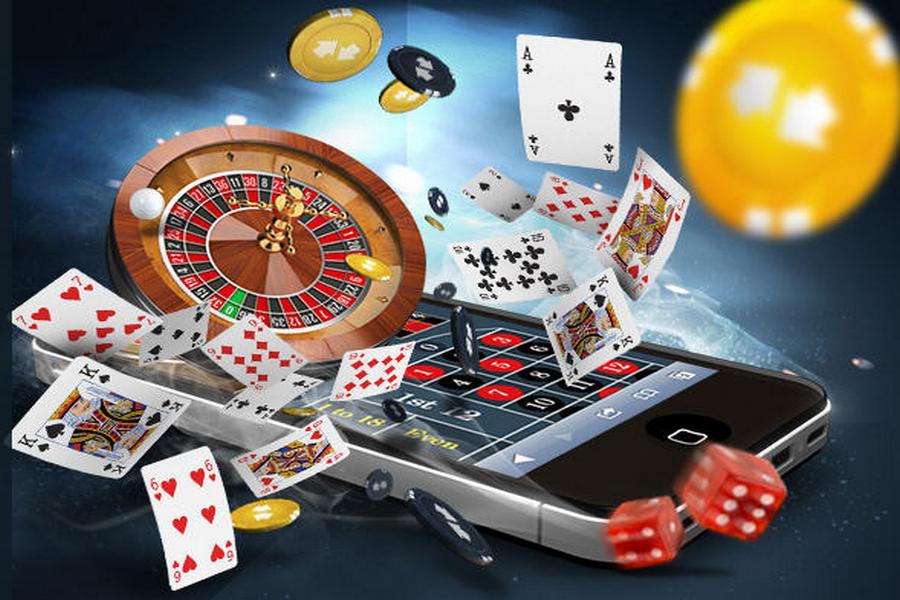
Exploring the World of Gambling Psychology
Understanding the psychology behind betting is essential for both players and casino operators. Recognizing the mental triggers that drive gambling behavior can lead to healthier choices for individuals and more responsible practices for casinos. Educational initiatives focusing on the psychology of gambling can empower players to make informed decisions, helping them recognize cognitive biases and manage their betting habits more effectively.
Additionally, platforms that delve into gambling psychology can offer valuable insights for both casual and serious gamblers. By fostering awareness and encouraging critical thinking about decision-making in gambling, such resources can contribute to a more balanced and responsible approach to betting. Embracing the psychological aspects of gambling not only enhances the gaming experience but also promotes a safer environment for all involved.